Trade-In Negative Equity Without the Fog
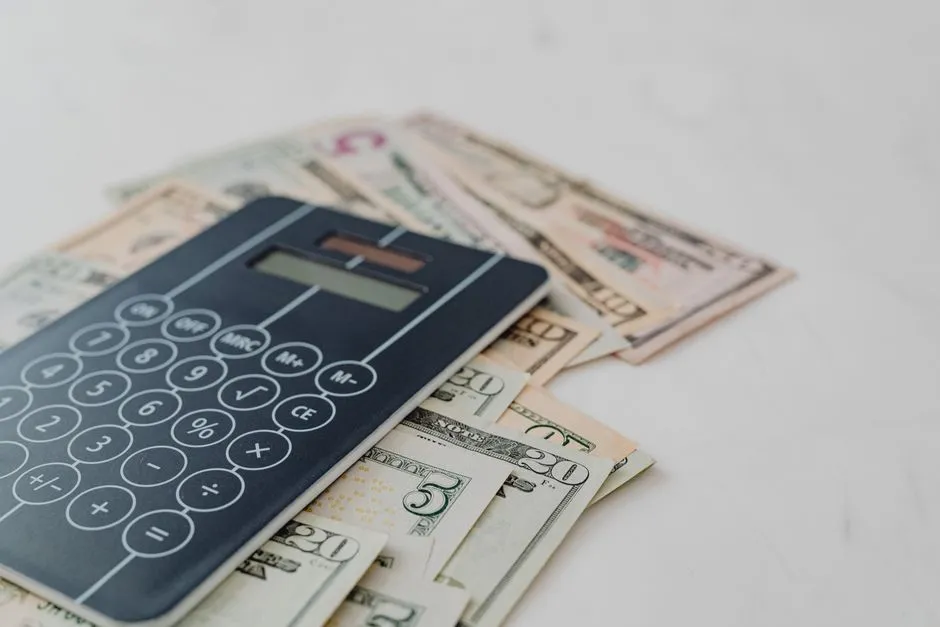
Calculate equity from payoff, not statement balance
Ask the current lender for a dated payoff amount and its expiration, because interest, fees, and timing can make it differ from the balance on a statement. Obtain several written trade offers or market references for the exact vehicle and condition.
Trade value minus payoff is equity. A negative result means you owe more than the vehicle is worth for the transaction.
Keep four numbers separate
Write down new vehicle price, trade allowance, old-loan payoff, and new amount financed. Negotiate the purchase and trade independently before combining them. A high trade allowance can be offset by a high sale price; a promised “payoff” can be included quietly in the new debt.
CFPB explains that rolling negative equity into the next auto loan increases the new loan's expense and interest paid over its life.
Trace the shortfall into the contract
If payoff exceeds trade allowance, the buyer must cover the difference with cash or, if approved, finance it in the new loan. The final documents should show exactly where the shortfall goes. Reconcile it with down payment, rebates, fees, add-ons, and amount financed.
Use the full loan comparison because a longer term can make rolled debt look smaller each month without removing it.
Compare alternatives before trading
Options may include keeping the current vehicle, paying the balance down, selling through another lawful channel, choosing a less expensive replacement, or bringing cash. Each has condition, timing, tax, transport, and title implications. There is no universal best choice.
Do not assume a private sale value until an actual safe buyer and lien-release process exist.
Examine the new risk position
Rolling old debt increases loan-to-value and can extend the period in which payoff exceeds the replacement vehicle's value. If that vehicle is stolen or declared a total loss, primary insurance generally values the covered vehicle under its policy—not the buyer's old debt.
Read GAP coverage carefully if considering it. Coverage limits, excluded balances, deductible treatment, late payments, cancellations, and vehicle eligibility vary.
Verify the old loan is actually paid
Continue required payments until the existing lender confirms payoff. CFPB advises contacting the prior lender after the transaction to verify the old loan has been paid, and pursuing the dealer, new lender, or complaint channels if it has not.
Keep the payoff quote, trade agreement, new contract, odometer and title documents, payment confirmation, and communications. A dealership promise does not stop late fees or credit reporting by itself.
Avoid payment-only negotiation
Ask how each change affects new vehicle price, trade allowance, payoff, amount financed, APR, term, finance charge, and total of payments. If the payment stays constant after the trade changes, find the moved number before signing.
Use the down-payment guide to preserve emergency cash without pretending it erases old debt.
Choose clarity over rescue language
“We will pay off your trade” can describe a transaction in which the old balance is fully included in the new financing. The mathematically useful sentence is: “Here is the payoff, here is the trade credit, and here is the difference.”
Do not sign until those numbers reproduce across every final document. Negative equity is manageable only when it remains visible; once hidden inside the monthly payment, it grows excellent camouflage.