Pre-Purchase Car Inspection Checklist
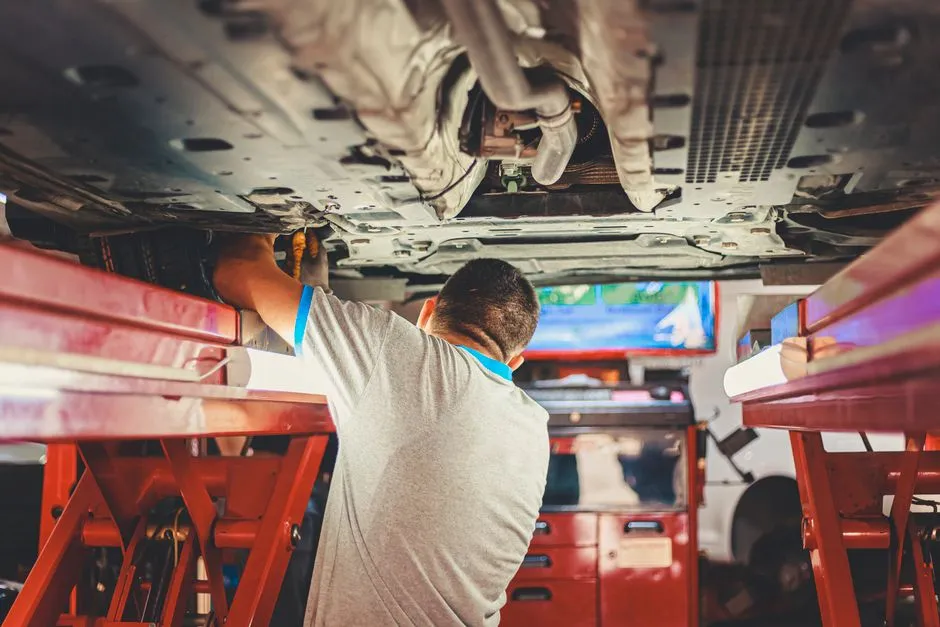
- Hire an inspector who works for you
- Agree on scope before the appointment
- Verify identity and warning status
- Inspect structure, body, and water exposure
- Inspect mechanical and safety systems
- Compare maintenance with condition
- Finish with a controlled road evaluation
- Use the report as a decision tool
- Sources
Hire an inspector who works for you
Choose a qualified independent mechanic or specialist with experience in the exact vehicle type, including hybrid, electric, diesel, modified, imported, or high-performance systems where relevant. The seller's inspection, certification, safety check, or recent repair invoice does not replace your own assessment.
FTC used-car guidance recommends an independent mechanical inspection even when a dealer calls the vehicle certified or sells it with a warranty.
Agree on scope before the appointment
Provide the VIN, exact configuration, mileage, listing, seller claims, history report, service records, known damage, warning photos, intended use, and concerns from the test drive. Ask what the inspection includes, what equipment is available, whether a road test and lift are possible, and what limitations will be written down.
Request a signed report with photos, measurements where relevant, diagnostic results, urgent safety items, deferred maintenance, and estimated repair categories. Prices and priorities should reflect the local shop and exact vehicle, not a universal checklist.
Verify identity and warning status
Match VIN labels and documents, mileage, configuration, keys, dashboard self-check, warning lamps, service messages, and diagnostic modules. A warning lamp that never illuminates during self-check can be as important as one that stays on.
Save codes and readiness status before clearing anything. Recently reset monitors or disconnected batteries deserve explanation because evaluation may be incomplete.
Inspect structure, body, and water exposure
Check panel gaps, paint thickness or repair evidence, glass dates where informative, welds, fasteners, underbody, corrosion, impact points, suspension mounting areas, cargo floor, restraint systems, and signs of flood or fire exposure. Cosmetic repair is not automatically disqualifying; undocumented structural or restraint work is a different risk.
Use history reports within their limits and compare every physical clue with the seller's written account.
Inspect mechanical and safety systems
Assess tires, wheels, brakes, steering, suspension, bearings, leaks, cooling, belts or drive components, exhaust, emissions equipment, mounts, fluids through approved procedures, climate control, lighting, wipers, cameras, sensors, windows, locks, seats, and installed equipment. Check tire age, size, load capability, wear, damage, and matching requirements for the drivetrain.
Never road-test or lift a vehicle with an unresolved unsafe condition. High-voltage battery, fuel, restraint, and structural concerns need correctly trained inspection.
Compare maintenance with condition
Match invoices to the exact VIN, date, mileage, parts, and work. Compare with the manufacturer schedule for time, distance, and use. Verify whether expensive upcoming services, tires, brakes, timing components where applicable, battery support, recalls, programming, keys, or fluids are documented.
“Just serviced” should unfold into line items, not remain a soothing phrase.
Finish with a controlled road evaluation
When safe and legal, assess cold start if genuinely cold, idle, acceleration, braking, steering, shifting, ride, noise, vibration, driver assistance, temperature, charging behavior, and restart. The inspector should drive or direct the test, not diagnose from the passenger seat while the seller performs a qualifying lap.
Use the report as a decision tool
Separate no-buy safety or identity issues, repairs needed now, maintenance due soon, normal wear, cosmetic items, and inaccessible or unverified areas. Confirm open recalls by VIN outside the inspection report.
Negotiate only after understanding the findings. A price reduction does not make an unsafe vehicle safe, and a seller who refuses reasonable independent inspection has provided a useful result free of charge.