Used-Car Test-Drive Checklist
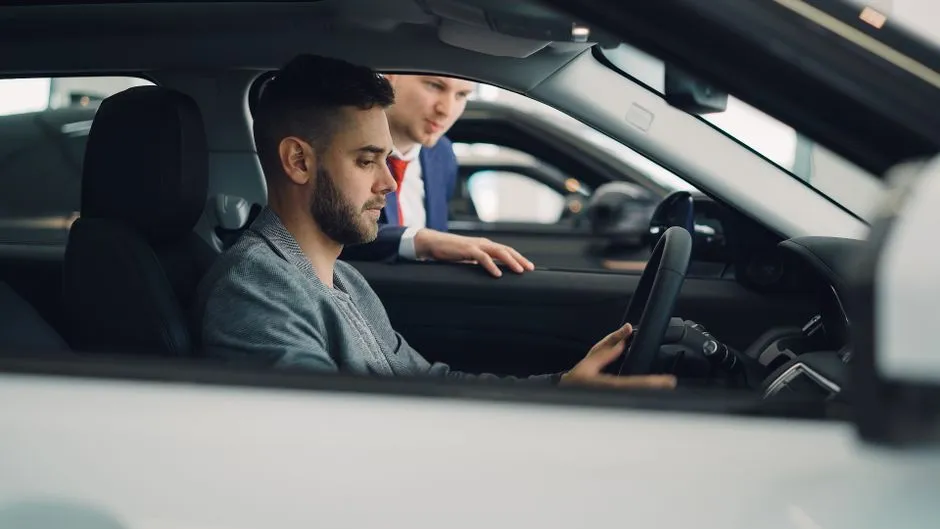
Inspect before moving the vehicle
Confirm the seller permits the drive, insurance and license requirements are met, the route is legal, and no tire, wheel, brake, steering, fluid, warning, visibility, restraint, or structural condition makes operation unsafe. Match the VIN, inspect the ground for fresh leaks, and look at tires, lights, glass, mirrors, and body clearance.
Do not drive a vehicle with a safety warning simply to “see how it feels.” That is what towing and inspection bays are for.
Try to begin with a genuine cold start
Ask the seller not to warm the vehicle unless weather or safety requires it. Before starting, note engine or system temperature, warning-lamp self-check, fluid spots, battery or charging messages, and unusual odor. Confirm that expected warning lamps illuminate and then behave as the manual describes.
Listen for abnormal cranking, delayed start, rough operation, knocks, rattles, exhaust leaks, or persistent smoke. Electrified vehicles may not start an engine immediately, so follow the exact ready-state indicators.
Check the controls while parked
Adjust the seat, steering wheel, mirrors, belts, and head restraints. Test doors, windows, locks, wipers, washers, lights, climate control, cameras, parking sensors, infotainment, charging ports, seat functions, and supplied keys. Confirm cargo and child-seat access for real household needs.
Do not let screens distract from the road. Pairing a phone can wait until ownership or perhaps the next geological era.
Use a varied but ordinary route
Include low-speed turns, rough and smooth pavement, steady cruise, modest acceleration, safe braking, parking, and a restart where legal. Avoid speeding, harsh maneuvers, towing, off-road use, or testing a seller's claim about “what it can do.” Keep the radio off and conversation light.
Record steering centering, pull, vibration, ride, noises, transmission behavior, power delivery, temperature, warning messages, brake feel, and visibility. A symptom tied to speed, load, turning, or braking gives the inspector a useful condition to reproduce.
Separate normal adaptation from faults
Different drivetrains, regenerative braking, stop-start systems, driver-assistance features, transmissions, and tire types can feel unfamiliar. Ask how the exact system should behave and compare with the manual or specialist knowledge. Do not let “they all do that” close a question without evidence.
Stop when the drive becomes unsafe
Pull over safely for brake or steering change, rapid tire-pressure loss, severe vibration, overheating, oil-pressure warning, smoke, fuel smell, power loss, flashing malfunction light, restraint or high-voltage warning, or any loss of control. Contact the seller and arrange professional help; do not restart or continue contrary to the manual.
Reinspect immediately afterward
Park on clean level ground, keep clear of traffic and hot or moving parts, and look for new leaks, smoke, odor, uneven heat from a safe distance, warning messages, or changed tire appearance. Do not open hot pressurized systems or crawl beneath the vehicle.
Write notes before impressions blur. Compare them with flood-related clues and the original listing.
The test drive does not replace the inspection
A smooth twenty-minute drive cannot verify internal wear, prior damage, hidden corrosion, diagnostic readiness, battery health, or future maintenance. Send the vehicle and notes for an independent inspection and keep the broader shortlist alive until the report and contract are complete.
The purpose of the drive is to gather evidence, not bond emotionally with the cup holders.