Used-Car Flood-Damage Clues Worth Investigating
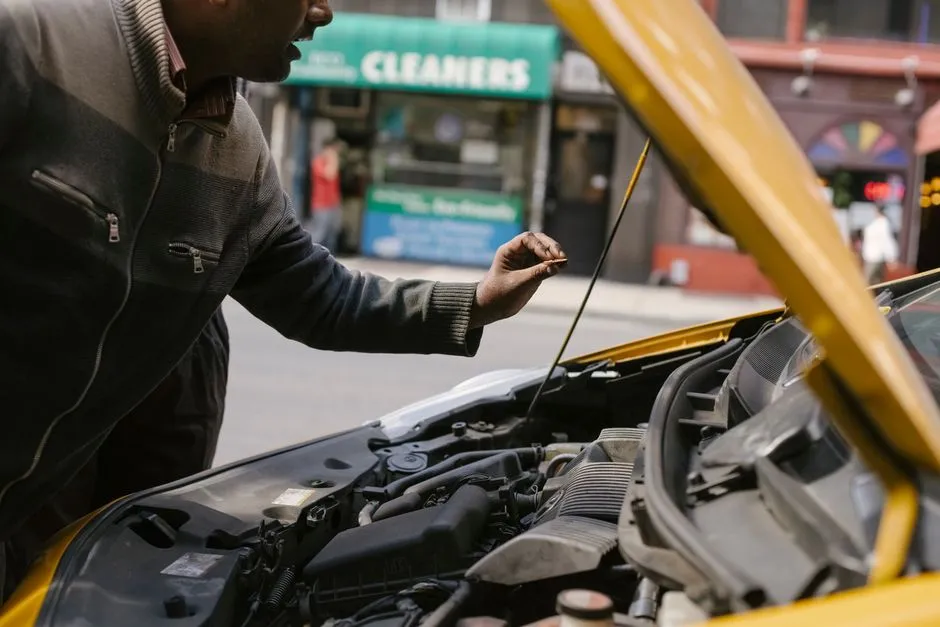
Flood exposure is more than damp carpet
Water can affect connectors, modules, restraints, bearings, brakes, lubricants, interior materials, mold growth, and high-voltage systems. Salt or contaminated water adds corrosion and health concerns. A cleaned cabin may look excellent while damage continues behind panels.
Do not energize, charge, start, or drive a vehicle with suspected high-voltage battery damage, active electrical faults, fuel odor, contaminated interior, unsafe brakes, or unresolved water intrusion. Use qualified transport and inspection.
Begin with documents and geography
Match the VIN everywhere and review title, registration, auction, insurance, and history information for flood, salvage, total-loss, location, and ownership changes. Compare dates with severe-weather events, but do not infer exposure solely from an address.
Reports can miss private repairs, delayed records, cross-jurisdiction changes, and unreported events. History-report limits apply with extra enthusiasm around water.
Look for inconsistent moisture evidence
From a safe position, inspect carpet edges, under removable mats, seat tracks, spare-wheel well, cargo floor, door pockets, headliner, belt webbing, trunk trim, and low storage areas for silt, tide-like lines, rust, staining, mineral residue, dampness, or mismatched replacement. A strong fragrance, dehumidifier, or newly replaced carpet is a question, not proof.
Never dismantle seller property without permission or touch unknown residue. Mold and contaminated water can require protective equipment and professional remediation.
Inspect electrical details
Check dashboard self-test, warning lights, displays, switches, windows, locks, seats, lights, cameras, audio, climate control, charging ports, and every supplied key. Intermittent operation, corroded terminals, green or white residue, non-original splices, or several recently replaced modules deserve investigation.
A scan of all available modules can reveal communication faults and recent clearing, but a clean scan cannot clear hidden corrosion.
Check mechanical systems for water paths
A qualified inspector should evaluate air intake, filters, engine and driveline fluids through approved methods, breathers, wheel bearings, brakes, exhaust, cooling, underbody cavities, connectors, and restraint components. Water-mark height does not perfectly predict which systems were affected because flow, splash, capillary action, and prior repair vary.
Hybrid and electric vehicles require exact manufacturer procedures for battery enclosure, isolation, cooling, and high-voltage integrity. Generic visual inspection is insufficient.
Compare the seller's story with repair evidence
Ask directly about flood, standing water, storm storage, water leaks, insurance claims, title branding, interior replacement, module replacement, and corrosion repair. Get answers and promised work in writing. Compare invoice dates, part lists, mileage, and ownership with physical findings.
An explanation can be reasonable, but it must survive independent inspection, not merely arrive quickly.
Use the test drive only after safety clearance
When an inspector considers operation safe, the test-drive checklist should include warnings, brakes, steering, bearings, climate control, windows, sensors, charging, odor, and restart. Stop for electrical instability, heat, smoke, brake change, high-voltage warnings, or loss of control.
Know when to walk away
Walk away from unexplained title or VIN discrepancies, concealed contamination, refused inspection, significant electrical or restraint corrosion, high-voltage uncertainty, or a repair history no qualified specialist will stand behind. A deep discount cannot make latent corrosion predictable.
Flood cars sometimes smell like air freshener and determination. Neither belongs on the inspection report.